A burned forest can look empty long before it stops being alive. Beneath the blackened trees, seedlings may already be taking root. Standing dead wood still shelters wildlife. The next chapter of the forest is beginning—and logging can change its course.
That is the central problem with selling salvage logging as restoration. Recovering the commercial value of dead trees and recovering a functioning ecosystem are different objectives. One does not establish the other.
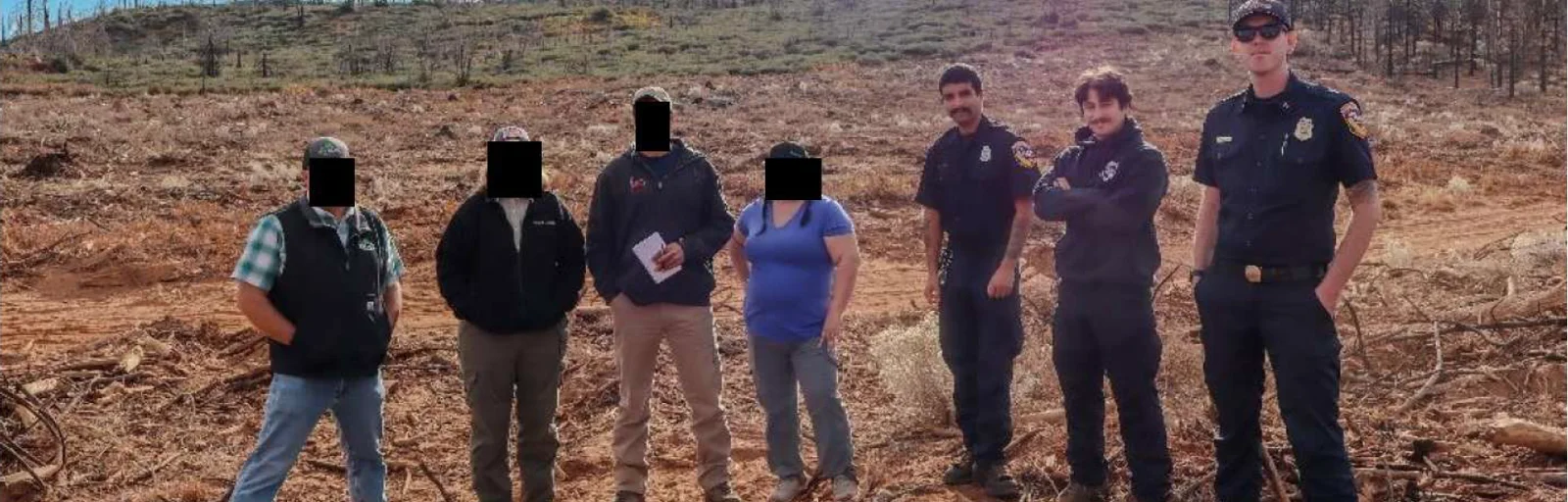
For Lassen and Plumas counties, where communities live with the consequences of wildfire and the projects that follow, the distinction matters. What happens on a burned hillside can affect habitat, future fire behavior, and the water downstream.
What salvage logging actually restores
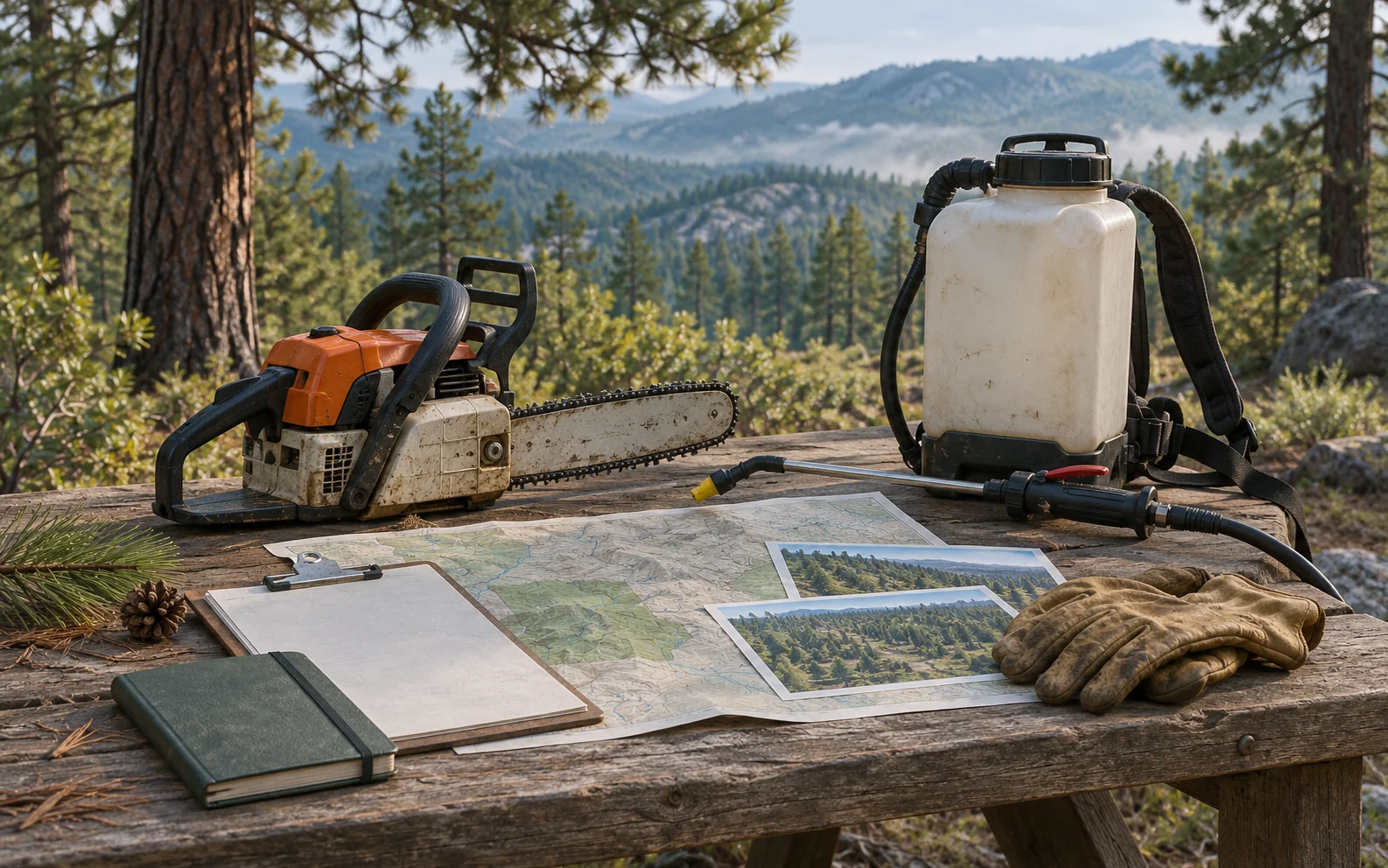
Salvage logging harvests trees killed or damaged by fire or other disturbances to recover their economic value. The Forest Service’s scientific review recognizes that commercial purpose. Timber revenue and mill employment are legitimate economic considerations. They are not, by themselves, proof that removing trees improves ecological recovery.
A project can have several goals. But when agencies and landowners call it restoration, the public deserves to know what condition is being restored, what benefits are expected, and how those benefits will be measured.
Removing timber is an activity. Restoring a forest is an outcome.
A dead tree is still habitat
Standing dead trees provide feeding and nesting sites. Fallen wood supports organisms involved in decomposition and creates structure on the forest floor. Removing that wood changes the recovering community.
A meta-analysis published in the Journal of Applied Ecology found significantly lower species richness after salvage logging in eight of 24 groups studied. Organisms that depend on dead wood were particularly affected. Some open-habitat groups increased, while others showed no significant change.
The finding is more specific than saying every species suffers: salvage logging can remove habitat that particular communities need. Planting seedlings does not immediately replace a large dead tree or the life associated with it.
Recovery may already be growing underfoot
Following Oregon’s 2002 Biscuit Fire, researchers found abundant natural conifer regeneration in the areas they studied. Subsequent logging reduced median seedling density by 71 percent and increased downed woody fuels, according to their 2006 study in Science.
That result cannot predict every burned forest’s future. It does demonstrate that a harvest can damage recovery already underway. Before treating logging as a prerequisite for regeneration, a project should establish what is growing, where seedlings are absent, and how equipment will affect the vegetation that has survived.
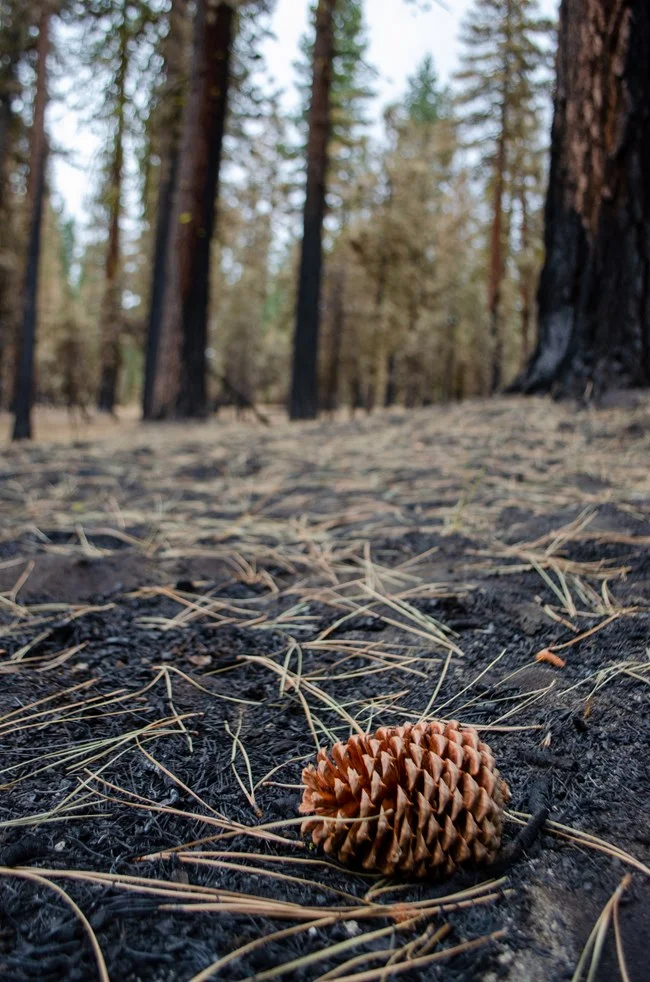
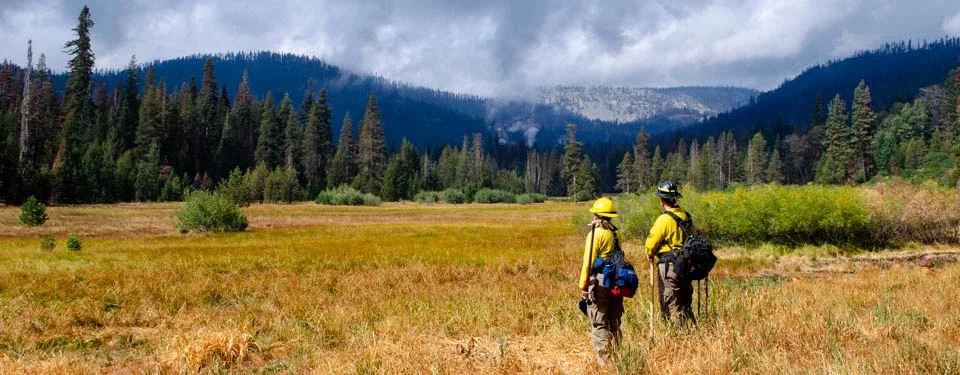
Local recovery also deserves attention on its own terms. Research described by Lassen Volcanic National Park found natural regeneration after the Reading Fire, with proximity to living forest patches and time since fire among the important factors. Conditions within one fire footprint can vary sharply.
The consequences flow downstream
The Southern Rockies Watershed Project followed watersheds affected by Alberta’s 2003 Lost Creek wildfire. In a 2016 research summary, scientists reported sediment production approximately nine times greater in burned watersheds and 37 times greater in burned and salvage-logged watersheds than in unburned catchments.

The sediment response was greatest during spring runoff and rainstorms, with no recovery evident over the reported study period. The figure is not 37 times more sediment than wildfire alone. Nor should those ratios be transferred automatically to another watershed. They show a substantial difference under the conditions studied.
A 2021 review of 96 publications concluded that salvage logging can magnify erosion and flood impacts after disturbance, while acknowledging uncertainty at the scale of whole watersheds. Local slope, soils, roads, stream crossings, and weather therefore matter when evaluating a proposed operation.
Less wood does not necessarily mean less fire danger
Removing large dead trees can reduce some fuel loads. Harvesting can also leave branches and other small debris near the ground. The same 2021 review found that salvage logging can reduce total ecosystem fuels while increasing small ground fuels and producing drier fuel conditions in the short term.
The amount hauled away is an incomplete measure of the hazard left behind.
Actual reburn evidence also challenges blanket assurances. A study of southwestern Oregon examined areas burned in 1987 that burned again in the 2002 Biscuit Fire. Areas that had been salvage-logged and planted burned more severely than comparable unmanaged areas. The study evaluated the combined management treatment; it did not isolate logging from planting.
Salvage logging therefore cannot be presumed to reduce future fire severity. Outcomes depend on the forest, remaining fuels, subsequent vegetation, treatment design, and time since disturbance.
Intervention needs a reason—and a measure of success
Some burned forests face real barriers to recovery. Research on postfire climate and seed availability shows how warmer, drier conditions and a lack of nearby seed sources can limit conifer regeneration. Those findings support careful assessment and, where justified, targeted planting or other intervention. They do not establish that broad commercial harvesting is necessary wherever trees have burned.
Removing a hazardous tree beside a home or road can serve a clear safety purpose. Large-scale removal across a burned watershed requires a different justification. The size and methods of a project should follow demonstrated needs.
For Lassen and Plumas communities, a credible restoration proposal should answer concrete questions:
- What seedlings, surviving trees, and habitat are already present?
- Which soils, waterways, and slopes are vulnerable to disturbance?
- How much standing and fallen dead wood will remain?
- Will the full treatment sequence include herbicides, and how will water quality be evaluated?
- What conditions will be measured afterward, and when will the results be released?
Financial accounting should be equally clear. Timber value belongs alongside the costs of roads, erosion control, monitoring, and any downstream damage. Communities deserve to know who receives the benefits and who bears the risks.
A forest’s recovery should be judged by functioning soils, water, habitat, and vegetation—not simply by how quickly it becomes ready for another timber rotation.
Before calling salvage logging restoration, agencies and landowners should demonstrate what it restores.