Tahoe’s fight over herbicides has produced a court victory and a more recent period without planned forestry applications. Both deserve attention. They concern different projects, and neither should be described as a permanent basin-wide ban.
Where things stand
- Tahoe Keys: an April 2024 ruling overturned approvals challenged by the California Sportfishing Protection Alliance and Sierra Club Tahoe Area Group.
- Caldor reforestation: no herbicide use was proposed in the Tahoe Basin portion before 2028, according to Keep Tahoe Blue’s October 1, 2026 update citing the Forest Service.
- The next question: whether future plans will favor nonchemical methods and provide meaningful notice and monitoring.
The Tahoe Keys victory
The Tahoe Keys dispute concerned herbicides proposed for aquatic weeds in lagoons connected to Lake Tahoe. The California Sportfishing Protection Alliance and Sierra Club Tahoe Area Group challenged the Lahontan Regional Water Quality Control Board’s approvals.
In their May 1, 2024 announcement, the groups reported that an April 25 ruling required the board to set aside the challenged project approvals and withdraw certification of its environmental impact report. Among the issues was inadequate analysis of the reasonably foreseeable possibility of repeated herbicide applications.
That was a consequential victory over those approvals. It was not a ruling permanently prohibiting every use of herbicide around Lake Tahoe. The court’s ruling concerns the specific case.
A separate fight in the forest
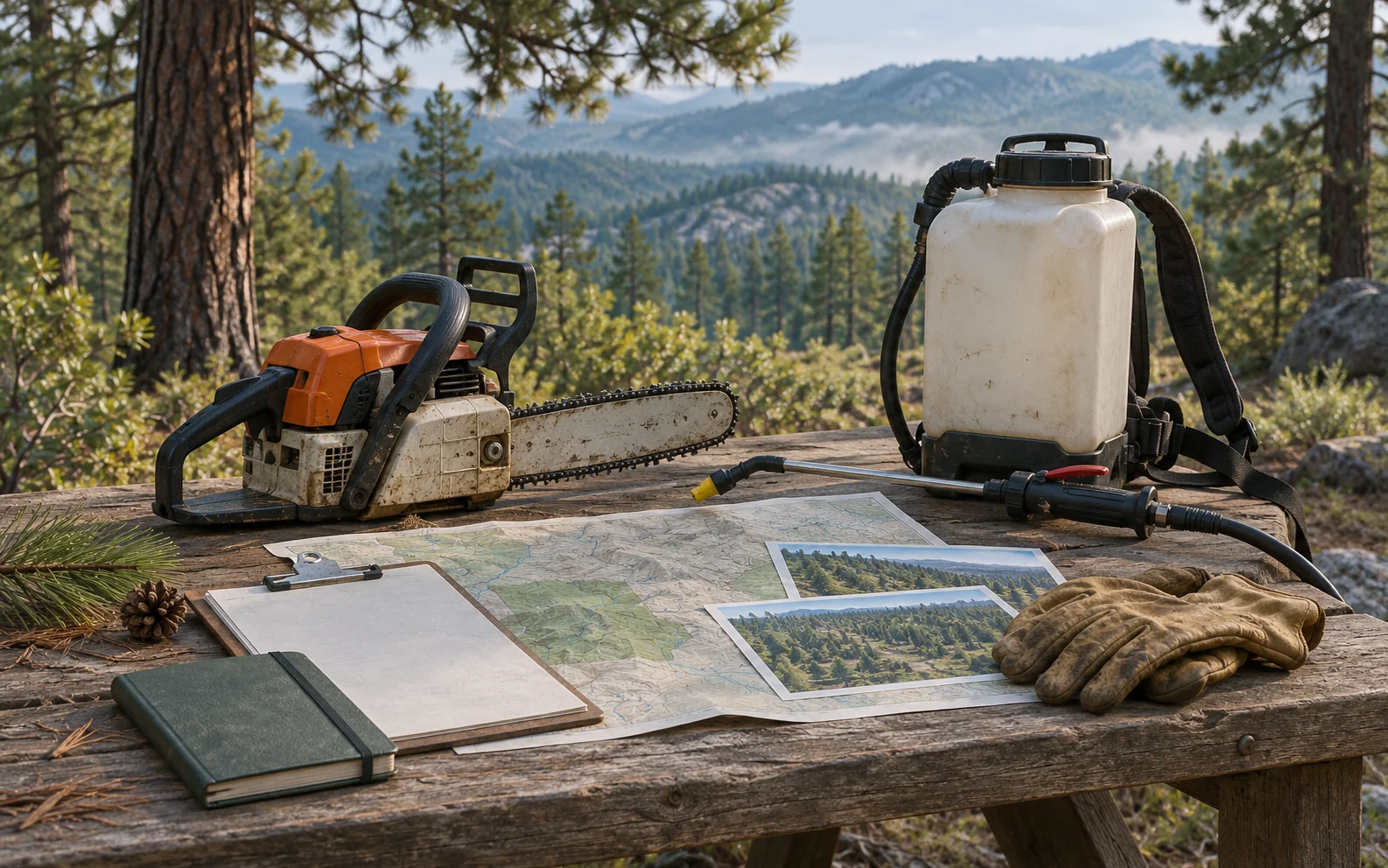
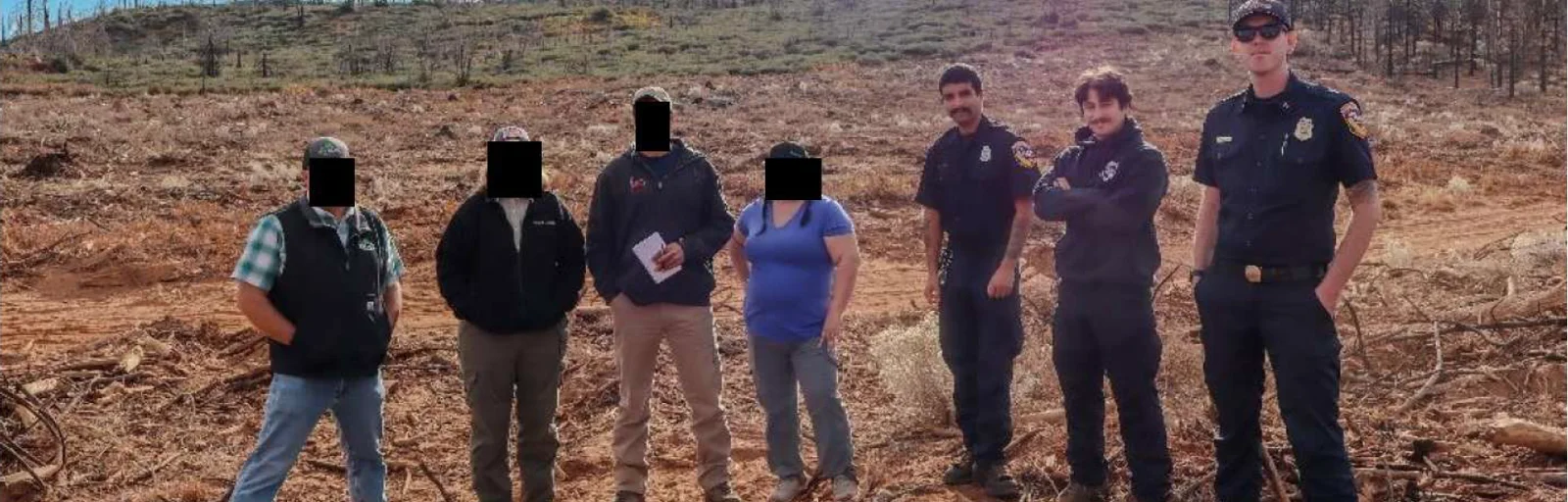
The Caldor Fire Restoration Project concerns a different landscape and a different use of herbicide: managing vegetation during forest recovery.
Keep Tahoe Blue’s statement, updated October 1, 2026, says the Forest Service had not proposed herbicide use in the Tahoe Basin reforestation project before 2028. The organization cited the agency’s project information and an August 26 public meeting.
The group called for herbicides to be a last resort, with other reforestation tools used first. It also described an independent study of post-Caldor forest recovery and work with agency partners to test water for glyphosate.
The absence of planned applications in 2026 and 2027 gives residents time to scrutinize what comes next. It does not remove herbicides from future consideration.
Why Lassen and Plumas should pay attention
The same questions travel across county lines: What is already regenerating? Which plants would a treatment remove? What nonchemical options are available? How will streams and drinking-water sources be protected?
Tahoe’s experience shows why the precise decision matters. A court ruling can overturn an approval. A project schedule can postpone an application. Sustained public pressure can keep alternatives and monitoring in the discussion. Those are meaningful developments without needing to call them a permanent ban.
Protect Lassen’s Herbicide & Forestry Watch will follow new decisions, proposed applications, legal developments, and restoration research affecting California’s forests and watersheds.
Status checked November 16, 2026. Project schedules and approvals can change. Agency project page: Caldor Fire Restoration Project.