
Do You Own Land Near a Logging Site? You Need to Know This.
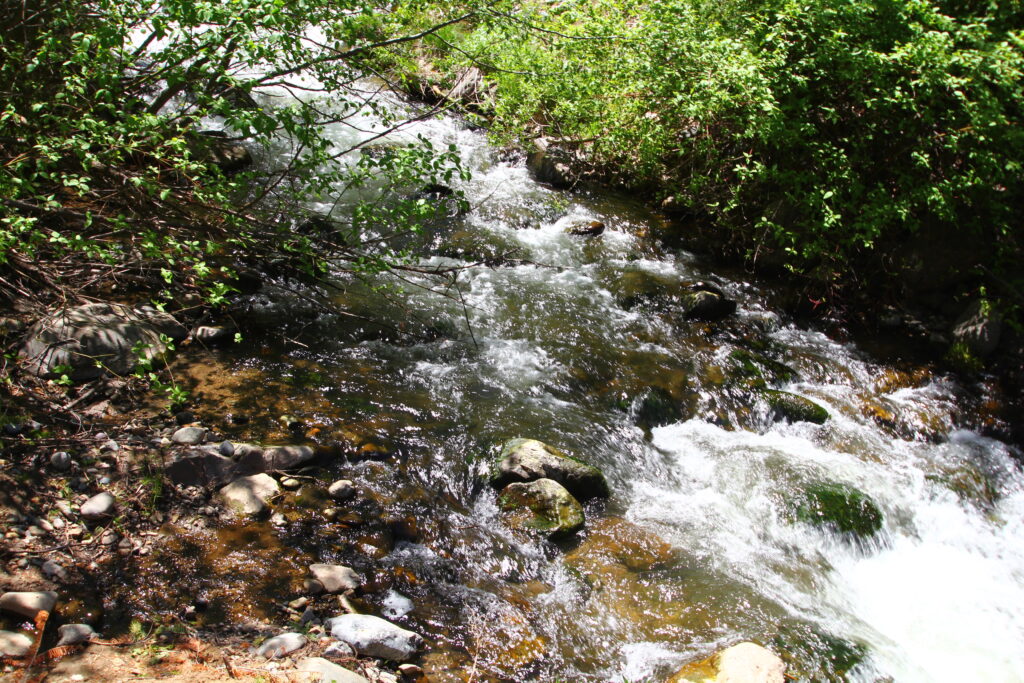
If you live downhill from or adjacent to industrial timber operations, your land, water, wildlife, pets, and livestock may be exposed to more than you’ve been told. Across California—and especially in Lassen County—large-scale logging projects often involve the aerial or ground-based spraying of toxic herbicides, many of which are linked to water contamination, ecological harm, and health risks.
These chemicals don’t always stay where they’re sprayed.
If your land is near a logging site, you could be at risk of:
- Toxic herbicide drift onto your property during aerial or high-pressure spray operations
- Runoff contamination into your spring, well, or pond from upslope applications
- Chemical residue entering creeks, culverts, and waterways that flow across your land
- Damage to native plants, pollinators, and wildlife that depend on clean soil and water
- Exposure to pets and livestock, which may drink contaminated water or graze on affected vegetation
- Long-term persistence of herbicides in groundwater or sediment, especially in sandy or decomposed granite soils
Why This Matters:
Timber companies and contractors are not required to notify you before spraying. In Lassen County, no one notifies neighboring properties of large-scale herbicide applications. Even worse, the Lassen County Agriculture Department — under Commissioner Craig Hemphill and Biologist Gary Fensler — refuses to disclose public records about when and what kind of chemicals are used near your property. They use a county-paid attorney, Michelle Nasise, funded by your tax dollars, to block access to the public records you are legally entitled to.
Some of the chemicals used — including hexazinone, triclopyr, glyphosate, indaziflam, and 2,4-D — have been linked to:
- Groundwater contamination
- Reproductive and developmental toxicity
- Wildlife poisoning
- Soil microbial damage and long-term habitat degradation
- Cancer in humans and animals
Sources:
- U.S. Geological Survey (USGS), “Pesticides in Groundwater” – https://www.usgs.gov/
- Environmental Protection Agency (EPA), Reregistration Eligibility Decision (RED) documents for each chemical
- National Institutes of Health (NIH) studies on reproductive and developmental toxicity
- University of California Agriculture and Natural Resources (UCANR) – Groundwater protection regulations
And very few of these sites are tested before or after application.
You Have a Right to Know
Protect Lassen is working to track and expose these chemical operations — especially where they may affect neighboring private property. We are building maps, exposing permit records, and collecting environmental testing data to inform the public of what’s happening just beyond their fenceline.
If your land has seasonal water, springs, livestock, or native habitat, you may already be affected — and not even know it.
What You Can Do

If you are near a logging project — or even a good distance downhill — it is a good idea to test and monitor your land and water sources.
If you would like assistance or have questions, please email us at watch@protectlassen.org.
We have access to certified labs that can test for the types of herbicides commonly used in these operations. The Lassen County Department of Agriculture does not and cannot test for these chemicals — and it appears that no one is testing for the restricted herbicides or monitoring these large scale industrial timber projects in Lassen County.